
"Ethiopian specialty coffee"
900 article(s) found

How about Ethiopian coffee? Ethiopian rambutan coffee flavor
Professional coffee knowledge exchange More coffee bean information Please pay attention to coffee workshop (Weixin Official Accounts cafe_style) Flavor description Dry fragrance is osmanthus, sugar-fried chestnut, strawberry aroma, sip is raspberry, jasmine, mangosteen, honeydew melon and other tropical fruit aroma. Production area information Ethiopia Guji production area 1800 meters ~ 2100 meters Bean information 2019 production season Sunlight original species Although

Ethiopian Coffee characteristic Gima Coffee Sidamo Coffee African boutique Coffee beans sour Coffee
The natural characteristics of coffee beans include large coffee beans.

Ethiopian coffee beans recommend Ethiopian coffee which producing area has the best coffee quality
Professional coffee knowledge exchange more coffee bean information please follow the coffee workshop (Wechat official account cafe_style)

Ethiopian Water washing Yega Flavor introduction to Ethiopian Yega Xuefei Water washing Flavor
Professional coffee knowledge exchange more coffee bean information please follow the coffee workshop (Wechat official account cafe_style) in front of the street washing Yega Fishinu small farmers introduced Ethiopia is not only in the production of coffee, in coffee drinking, but also the country with the longest history in the world. Most of the production is exported to advanced countries, unlike other coffee producing countries.

Ethiopian Sun-Sitama Ethiopian Coffee Bean Introduction
SIDAMO G-1 SPECITLTY PRODUCTION AREA: GUJI PRODUCTION AREA ALTITUDE: 1900-2200 METERS VARIETY: Arabica BEAN SEED: HEIRLOOM TREATMENT: Sun-drying, Shelter-drying Product Specifications: 60kg sacks Outer packaging lined with American patent GRAIN PRO bag Flavor: red wine, lemon, citrus fragrance, jasmine flower fragrance, peach juice, unique flavor fruit drink.

Trabocca of the Netherlands will hold The Ethiopian Cup Ethiopian Cup Coffee auction
For more information on coffee beans, please follow the promoters of the Red Cherry project in Coffee Workshop (official Wechat account cafe_style). Trabocca, a Dutch raw bean trading company, is preparing to hold an Ethiopian Cup Coffee Competition, a coffee raw bean competition auction plan to select the best quality coffee in this coffee birthplace. This company is headquartered in A

Essex Coffee you must know: Essex Coffee Bean Story _ Essel Coffee Bean Brand recommendation
Professional coffee knowledge exchange more coffee bean information please follow the coffee workshop (Wechat official account cafe_style) Africa is the third largest coffee producing region in the world, while Ethiopia is the legendary birthplace of coffee! As for Yegashev, it is one of the major coffee producing areas in Ethiopia. When the position is 1700 2100 meters above sea level, it produces Arabica (A
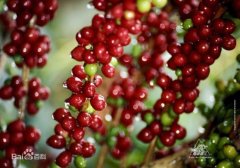
Ninety + Ethiopian native species of ginseng from Wellega (Woliga) producing area of Ethiopia
Joseph Brodsky, the founder of Ninety +, discovered early that all the world's high-quality raw coffee beans originated in Ethiopia, and its different flavors of many different varieties are no less than 10, 000 grapes into 1 million different wines. Ninety percent of the raw beans come from the original varieties of Ethiopia, including Gesha of Manor Panama, which is also an Ethiopian heirloom (Heir).

Kenyan specialty coffee Introduction Kenyan coffee Market Kenyan coffee Features Kenya
The British landed coffee in Africa in 1878 and coffee plantations were established in Kenya in the 19th century, when Ethiopian coffee drinks were imported to Kenya via southern Yemen. But it wasn't until the early 20th century that bourbon coffee trees were grown by St. Austin Mission introduced. Kenya coffee growing area: Kenya coffee is mostly grown at an altitude of 1500

Boutique coffee Ethiopian coffee origin Ethiopian coffee practice
The birthplace of coffee-Ethiopia. The coffee tree originated in Ethiopia, which was originally a wild plant here, and the name coffee comes from the Ethiopian town of Kaffa. In fact, many coffee trees in Ethiopia are still wild plants, and the coffee grown on this coffee tree is full-grained and slightly alcoholic. Humans may have been in the 9th century.

Introduction of boutique Ethiopian coffee boutique Blue Mountain Coffee
Various forms of coffee cultivation can be found in Ethiopia: everything from wild coffee forests and semi-developed land to traditionally operated plots to modern plantations. About 50% of the coffee is grown more than 1500 meters above sea level. Harrar coffee is the highest growing area of all coffee in Ethiopia. Hara coffee can be divided into long coffee.

Boutique coffee Ethiopian coffee features introduction to Ethiopian coffee
The birthplace of coffee-Ethiopia. The coffee tree originated in Ethiopia, which was originally a wild plant here, and the name coffee comes from the Ethiopian town of Kaffa. In fact, many coffee trees in Ethiopia are still wild plants, and the coffee grown on this coffee tree is full-grained and slightly alcoholic. Humans may have been in the 9th century.

Flavor characteristics of Ethiopian Coffee introduction of Ethiopian coffee
Ethiopia produces a lot of coffee is a coffee-producing country, where coffee with a natural climate produced coffee is very good birthplace of coffee-Ethiopia. The coffee tree originated in Ethiopia, which was originally a wild plant here, and the name coffee comes from the Ethiopian town of Kaffa. In fact, Ethiopia allows

Boutique coffee Ethiopian coffee manor Ethiopian coffee producing area
The birthplace of coffee-Ethiopia. The coffee tree originated in Ethiopia, which was originally a wild plant here, and the name coffee comes from the Ethiopian town of Kaffa. In fact, many coffee trees in Ethiopia are still wild plants, and the coffee grown on this coffee tree is full-grained and slightly alcoholic. Humans may have been in the 9th century.

Boutique coffee Ethiopian coffee manor Ethiopian coffee producing area
The birthplace of coffee-Ethiopia. The coffee tree originated in Ethiopia, which was originally a wild plant here, and the name coffee comes from the Ethiopian town of Kaffa. In fact, many coffee trees in Ethiopia are still wild plants, and the coffee grown on this coffee tree is full-grained and slightly alcoholic. Humans may have been in the 9th century.

Ethiopian Yega and Sidamo Coffee what kind of coffee is Sidamo?
For the exchange of professional baristas, please follow the coffee workshop (Wechat official account cafe_style) country: Ethiopia Origin: located in the Yegashafi producing area of Sidamo. Variety: Ethiopian native species taste: rich and unique aromas of lemon and jasmine. Functional characteristics: sweet orange Ethiopian boutique coffee beans, Sidamo Valley Guji candle producing area (Shaki

Yega Xuefei Coffee beans Brazil selection Coffee beans
Yirgacheffe Yirgacheffe Ethiopian mocha beans freshly roasted 200g Ethiopia's Yirgacheffe coffee although petite, it is gentle and delicate, sweet and lovely. As the hometown of coffee, thousands of years of planting history and processing tradition in Ethiopia have created high-quality washed Arabica beans. Shallow baking has unique lemons and flowers.
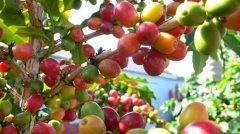
The special flavor of Ethiopian coffee the characteristics of African coffee beans
The natural characteristics of coffee beans include large coffee beans.

Ethiopian Ilubaro Farm Coffee Flavor Taste
Professional barista exchanges, please pay attention to coffee workshop (Weixin Official Accounts cafe_style ) published on May 17,2017. 001 Order ■ Country: Ethiopia ■ Estate: Barrow Farm ■ Origin: Ilugbo ■ Variety: Ethiopian Native Species ■ Treatment: Washing ■ Harvest: 201617 Cup Test Report: Ilugbo, located

Fine coffee Ethiopian coffee bean quality Ethiopian coffee bean processing method
The coffee tree originated in Ethiopia, which was originally a wild plant here, and the name coffee comes from the Ethiopian town of Kaffa. In fact, many coffee trees in Ethiopia are still wild plants, and the coffee grown on this coffee tree is full-grained and slightly alcoholic. Humans may have known how to grow coffee trees as early as the 9th century, but